

What a 72 Hour Kit Is and Why the First 72 Hours Matter Most
A 72 Hour Kit is a grab-and-go supply bag that helps you stay safe for the first three days of an emergency. It covers the basics when normal life breaks down fast.
That means water, food, shelter, light, first aid, hygiene items, and a few critical tools.
Those first 72 hours matter because help can be delayed.
- Roads may be blocked.
- Stores may be cleaned out.
- Power may stay off longer than expected.
- Cell service may be spotty.
Even in a well-managed disaster, the first stretch is often messy and slow.
This is where a solid emergency preparedness kit earns its place. It gives you breathing room. It helps you avoid panic buying, bad decisions, and unnecessary risk.
A good disaster supply kit does not need to be fancy.
It needs to be practical and work under stress. That simple difference can give you a lot more control through a rough few days.
Let’s get prepping.
Who Should Have a 72 Hour Kit at Home or Ready To Grab
Ever lie awake wondering what you’d grab if life went sideways tonight?
That knot in your gut isn’t silly. It’s your brain telling you the clock may not be kind in a real emergency.
Maybe you’ve thought, “I’d be in trouble if we had to leave fast.”
Truth is, most people would. A solid 72-hour kit gives you a fighting chance when the first three days feel like pure chaos.
In this guide, you’ll learn the basics that help you stay calm, move smart, and protect the people under your roof.
A lot of people still think these kits are only for hardcore survivalists. That idea leaves too many households exposed.
A 72 Hour Kit makes sense for regular people living regular lives.
Families need one because kids add complexity fast.
Food, comfort, medication, and sanitation all become more urgent when children are involved.
Singles need one because there may be no backup in the room when something goes wrong.
Seniors need one because missed medication, dehydration, or limited mobility can turn a manageable event into a serious one.
Pet owners need one because animals have needs that cannot be ignored during a fast evacuation.
People in storm-prone areas need one because the weather can change the rules in a single day.
This is also an emergency kit for home that works well for apartment dwellers, renters, suburban families, and people living in rural areas.
It is a calm, smart response to how emergencies actually unfold.
Common Emergencies: A 72 Hour Kit Helps You Handle
A 72 Hour Kit is useful in more situations than most people expect.
It helps during hurricanes, floods, wildfires, winter storms, long power outages, chemical spills, and sudden evacuation orders.
It also helps during less dramatic events, like a busted water line, a tornado warning, or being stuck away from home longer than planned.
Hurricanes can knock out roads, fuel access, and refrigeration. Floods can cut off neighborhoods fast.
Wildfires move quickly, leaving little time to think.
Winter storms trap people at home and shut down services. Power outages cause food loss, darkness, communication problems, and heat or cooling issues.
The value of the kit lies in its flexibility. It gives you a working base for many types of problems. That is why bug-out-bag basics overlap with a 72 Hour Kit. Both focus on getting through a short, unstable period with core supplies already packed and ready.
The Basic Purpose of a 72 Hour Kit During a Crisis
The basic purpose is simple. Your kit helps you meet basic survival needs when traditional support systems fail.
Water keeps you hydrated and supports basic sanitation.
Food keeps your energy up and helps you think clearly.
Shelter items protect you from heat, cold, rain, and wind.
Light helps you move safely at night and lowers injury risk. Hygiene supplies reduce illness and stress.
Communication tools help you stay up to date and stay connected.
That mix matters because emergencies are rarely neat. You may be at home without power. You may need to leave in a hurry.
You may be in a shelter, a car, or a hotel. A well-built emergency preparedness kit gives you options in each of those situations.
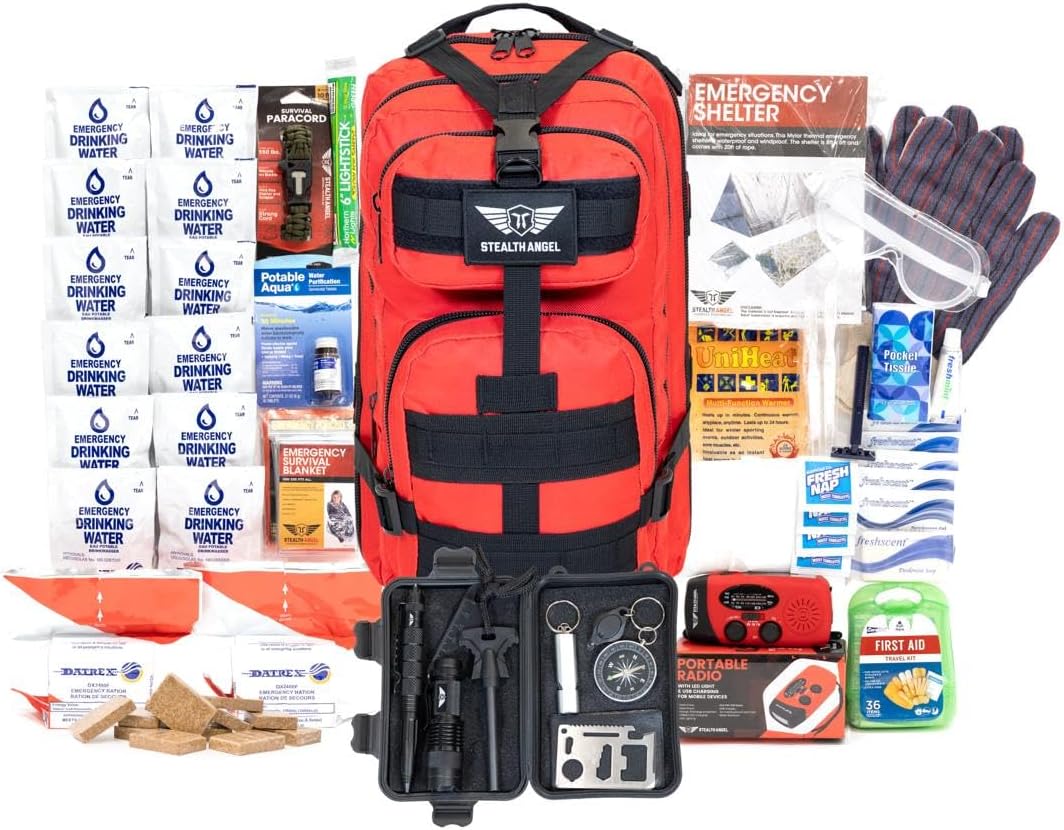
72 Hour Kit vs. A Fully Assembled Bug-Out Bag
A 72 Hour Kit and a fully assembled bug-out bag are close cousins, but they are not always the same thing.
A 72 Hour Kit is built around one main goal: to help you get through the first three days of an emergency.
It focuses on short-term survival needs like water, food, first aid, hygiene, light, medications, and copies of important documents.
It can be stored in a backpack, tote, plastic bin, or even kept partly at home and partly in a vehicle.
In many homes, a 72 Hour Kit is a broad emergency preparedness kit meant to support sheltering in place, a quick evacuation, or a short disruption in normal services.
A fully assembled bug-out bag or a seven-day plan is usually more mobile and focused on evacuation.
It is designed to be grabbed fast and carried if you need to leave on foot or move quickly. That means weight, portability, and self-sufficiency matter more.
A bug-out bag often includes many of the same basics as a 72 Hour Kit, but it is usually packed more carefully for movement.
It may include tougher shelter gear, fire-starting tools, a water filter, navigation items, and more field-ready tools.
In other words, it leans harder into bug-out-bag basics and fast relocation.
How Much Emergency Water Storage Do You Need for Three Days
Water is the item that people underestimate the most. A common baseline is at least one gallon per person per day for three days.
That covers drinking and a little basic sanitation.
For one person, that means at least three gallons. For a family of four, that means at least twelve gallons.
More is often better, especially in hot weather, after heavy physical effort, or if someone in the household is sick. Children, nursing mothers, and seniors may also need closer attention. Pets need their own water, too.
A counterintuitive point here is that food matters less than water during the first few days. People often spend time choosing snacks and forget about emergency water storage.
That is backward.
Water supports clear thinking, body temperature regulation, and basic bodily functions.
Food helps, but dehydration brings trouble much faster.
If storing full water amounts is hard, combine bottled water with water pouches, a small filter, or purification tablets. That adds flexibility without taking up as much room.
The Best Emergency Food Supply for a 72 Hour Kit
Your emergency food supply should be simple, shelf-stable, and easy to eat with little or no prep.
Think canned meat, peanut butter, protein bars, trail mix, crackers, tuna packets, dried fruit, applesauce pouches, and ready-to-eat meals. A manual can opener matters if you pack canned goods.
Choose foods that are familiar and easy on the stomach.
An emergency is not the time to experiment with strange, freeze-dried meals that nobody likes. Calories matter, but so does usability.
Food should travel well, handle rough storage, and require little water.
A good example is this: a family may pack dry pasta and rice because those foods seem cheap and practical.
In a power outage or evacuation, those foods may be useless if there is no clean water, stove, or time.
Ready-to-eat foods solve that problem. They are not glamorous, but they work.
Include a few comfort items if space allows. A small treat can steady nerves, especially for kids. That small detail can help more than people expect.
Essential Clothing and Shelter Items for Heat, Cold, and Rain
Clothing and shelter gear protect you from exposure, which is a real problem even in short emergencies.
Pack one full change of clothes, extra socks, and season-specific layers. In warm places, include long-sleeve shirts, a hat, and rain gear. In colder areas, include thermal layers, gloves, and a warm hat.
Emergency blankets or bivvies are worth adding. They are small, cheap, and useful.
A compact poncho can do double duty as rain protection and a quick shelter layer. Sturdy shoes matter too. Many evacuations involve more walking than expected.
Dry socks are among the most overlooked items in disaster preparedness supplies. Wet feet wear you down fast.
They increase discomfort, cold stress, and the risk of blisters. Small items often do more work than expensive gear.
First Aid Kit Essentials and Personal Health Supplies To Pack
Medical supplies deserve careful thought.
Your first aid kit essentials should include bandages, gauze, tape, antiseptic wipes, antibiotic ointment, pain relievers, tweezers, gloves, and any personal medical items your household needs.
Prescription medication is a top priority. Keep at least a small backup supply if possible, and rotate it responsibly. Include copies of prescriptions, dosage information, and doctor contact details.
Pack spare glasses, hearing aid batteries, inhalers, glucose supplies, or mobility aids if needed.
This is one area where generic planning falls short. A basic first aid kit is helpful, but personal health needs drive real outcomes.
A person with asthma needs more than bandages. A person with diabetes needs more than a flashlight.
Those details shape what belongs in your bag.
Important Tools and Safety Gear That Make a Big Difference
The best tools are the ones that solve common emergency problems.
Pack a flashlight, extra batteries, a headlamp, a lighter or waterproof matches, a whistle, a multi-tool, work gloves, dust masks, and a battery-powered or hand-crank radio.
Headlamps often beat flashlights because they free up both hands. That matters when carrying a child, opening a door, or sorting supplies in the dark.
A whistle helps signal and uses less energy than yelling.
A radio helps you get updates when phones fail or towers are overloaded.
These items form the backbone of many bug-out bag basics because they cover light, communication, and safety without much bulk.
Keep them simple. Cheap gear that fails under pressure is wasted space.
Personal Hygiene and Sanitation Supplies That Keep Problems Small
Hygiene matters more than people think. A few skipped basics can turn into rashes, stomach issues, infections, and plain misery.
Pack toilet paper, wet wipes, hand sanitizer, toothbrushes, toothpaste, feminine hygiene products, soap, trash bags, and paper towels.
Add a small towel and a few zip bags for waste or damp items.
Sanitation supports health, but it also supports morale. Feeling dirty, sticky, and uncomfortable adds stress fast. In a crowded shelter or during a long outage, that stress builds.
A small hygiene pouch can help you stay functional and steady.
Trash bags are especially useful. They work for cleanup, makeshift rain protection, dirty clothes, and basic waste control. They are cheap, light, and easy to forget.
Important Documents, Emergency Contacts, and Cash To Keep Ready
Paper backups still matter.
Keep copies of IDs, insurance cards, medical information, home and car insurance papers, emergency contacts, and key account numbers in a waterproof pouch.
A printed contact list in a baggie helps if your phone dies or gets lost.
Cash is just as important. Small bills can help when card systems are down, or stores cannot make change. During major outages, digital payments may not work.
This is where a smart evacuation checklist pays off.
It helps you avoid last-minute scrambling for papers, wallets, chargers, or keys. Store copies in the kit and keep originals protected at home when possible.
How To Pack a 72 Hour Kit So It Stays Useful Under Stress
A great kit can fail if it is packed badly.
Choose a sturdy backpack, duffel, or bin based on how likely you are to carry it. If you may need to leave on foot, a backpack is usually the better call. Keep weight manageable. Heavy bags get abandoned.
Put the most important items where you can reach them fast. Water, first-aid supplies, a flashlight, medications, and documents should not be buried at the bottom.
Use smaller bags or pouches inside the main bag to separate categories. Waterproof storage matters. Use zip bags, dry bags, or plastic bins to protect key items.
Weight distribution matters too. Heavier items should sit close to your back when using a backpack. That makes the load easier to carry. Pack for function, not for appearance.
A neat-looking bag means nothing if you cannot find what you need in the dark.
How To Customize a Survival Kit for Families, Kids, Pets, and Seniors
One-size-fits-all planning falls apart fast. A strong survival kit for families needs to be tailored.
For kids, pack age-appropriate food, diapers, wipes, formula, comfort items, and simple activities to reduce stress.
A small stuffed toy or coloring pad can calm a rough moment better than another gadget.
For pets, pack food, water, bowls, medications, leash items, cleanup bags, and vaccination records. Many shelters and hotels have pet rules, so paperwork helps.
For seniors, focus on medications, mobility aids, backup batteries, hearing and vision support, and easy-to-open food. For anyone with medical conditions, build around those needs first.
This is where disaster readiness supplies become personal. The best kit is the one that fits the people depending on it.
Common 72 Hour Kit Mistakes That Leave People Underprepared
The most common mistakes are easy to fix once you know them. People overpack gear they do not need.
- They forget enough water.
- They skip medication backups.
- They store expired food and dead batteries.
- They buy cheap tools that fail.
- They build a kit and never touch it again.
Another big mistake is packing only for evacuation and ignoring shelter-in-place needs. Some emergencies keep you at home. Others force you out. Your kit should support both as much as possible.
There is also a common urge to buy flashy survival gear before covering basics.
That leads to a bag with knives, fire starters, and gadgets, but weak food, weak water, and no prescriptions.
A reliable disaster supply kit starts with the boring stuff first. The boring stuff keeps people safe.
How Often To Check, Rotate, and Update Your 72 Hour Kit
A 72 Hour Kit needs regular maintenance, or it slowly becomes dead weight. Check it at least every six months.
Many people tie this to daylight saving time because it is easy to remember. Review expiration dates, swap old food, replace weak batteries, update clothing sizes, and refresh documents.
Check medications more often if they expire sooner. Review seasonal gear, too. A kit packed for mild weather may fall short during winter or hurricane season.
Household changes matter as well. New pets, growing kids, new prescriptions, and changed phone numbers should all trigger updates.
A dependable emergency kit for home stays current because life changes.
The best kit is never truly finished. It stays ready because it gets small, steady attention over time.
That simple habit keeps your emergency preparedness kit useful when the pressure is on.
When the First 72 Hours Stop Feeling So Scary
If part of you is thinking, “I should’ve done this a long time ago,” that hits close to home for a lot of people.
It’s easy to put off preparedness when life is busy, and emergencies still feel far away. Then one bad storm, one fast evacuation, one long blackout, and suddenly “later” feels way too late.
That sinking feeling is real. It’s human. And it doesn’t mean you’ve failed. It means you still have time to get smart, get organized, and get moving.
So start now.
Not someday.
Not when life calms down.
Now.
Build the kit. Pack the basics. Make a plan. Do the small stuff that turns panic into action and fear into control.
Because when the pressure hits, you won’t rise to wishful thinking. You’ll fall back on what you prepared. And that changes everything.
Three days can feel like a lifetime in a crisis, but with the right kit, they can also be the three days that prove just how strong, steady, and ready you really are.
72 Hour Kit FAQ: What To Pack, Store, and Update for the First 3 Days

When an emergency hits, the first 72 hours can feel messy fast. Power may be out. Roads may be blocked. Stores may be closed or picked over.
That is why a solid 72 Hour Kit matters.
It gives you a simple, practical way to protect yourself and your family during those critical first three days.
Use this FAQ to understand what a 72 Hour Kit is, what it should include, and how to make sure it is actually useful when you need it most.
What Is a 72 Hour Kit and Why Does It Matter?
A 72 Hour Kit is a portable emergency supply kit built to help you get through the first three days of a disaster or sudden evacuation.
It is used when normal services break down, and you need immediate access to basics such as water, food, first aid, light, and hygiene items.
The goal is simple. Help you stay safe, stable, and better prepared until help arrives or conditions improve.
What Should Be Included in a Basic 72 Hour Kit?
A basic 72 Hour Kit should cover the essentials for survival and comfort.
That includes water, non-perishable food, a flashlight, extra batteries, a battery-powered or hand-crank radio, a first aid kit, prescription medications, hygiene supplies, extra clothing, a multi-tool, cash, and copies of important documents.
You should also include a phone charger or backup power bank if possible. Keep it practical. Focus on the items you would truly need if you had to leave home fast or manage without power.
How Much Water Should You Pack Per Person in a 72 Hour Kit?
A smart minimum is one gallon of water per person, per day. That means each person should have at least three gallons for a full 72-hour period.
This water is meant for drinking and basic sanitation.
Some people may need more, especially in hot weather or if they have medical needs, children, or higher physical demands.
What Are the Best Foods To Put in a 72 Hour Kit?
The best foods are shelf-stable, easy to carry, and easy to eat. Good options include protein bars, peanut butter, crackers, trail mix, canned meat, canned fruit, ready-to-eat soups, dry cereal, and shelf-stable milk.
Choose foods that require little or no cooking and do not depend on refrigeration. It also helps to pack foods your family already likes, since stress is not the time to fight over unfamiliar meals.
What Is the Difference Between a 72 Hour Kit and a Bug-Out Bag?
A 72 Hour Kit and a bug-out bag are very similar, but the wording usually reflects their respective focuses.
A 72 Hour Kit highlights the time frame. It is built to help you survive the first three days of an emergency.
A bug-out bag usually emphasizes speed and evacuation. In real life, many people build a portable emergency bag that serves both purposes.
The main thing is not the label. It is whether the bag is packed, portable, and ready to go.
How Often Should You Check and Update a 72 Hour Kit?
You should check your 72 Hour Kit at least once a year. Some people do it every six months to stay ahead of expired food, weak batteries, and changing family needs.
Replace anything expired or damaged. Update clothing sizes for children. Review medications, copies of documents, and seasonal gear. A kit that sits untouched for years can fail when it matters most.
What Important Documents Should Be Kept in a 72 Hour Kit?
Keep copies of your ID, insurance information, medical details, prescription records, emergency contacts, and key household documents in a waterproof pouch or folder.
Small bills are also worth keeping in the kit because card systems and ATMs may be down during a disaster. You do not need to bring your whole filing cabinet.
Just pack the records that would be hardest to replace or most important during a crisis.
How Do You Build a 72 Hour Kit on a Budget?
Start with the basics and build over time. Water, food, light, first aid, and medications come first. Use a backpack, duffel bag, or sturdy tote you already have.
Buy store-brand items where it makes sense. Add a few supplies with each shopping trip instead of trying to buy everything at once.
A budget-friendly 72 Hour Kit that is actually finished beats an expensive one that never gets built.
What Extra Items Should You Add for Kids, Pets, or Seniors?
Households with special needs should never rely on a one-size-fits-all kit. For kids, add diapers, wipes, formula, bottles, favorite snacks, and comfort items.
For pets, include pet food, water, medicines, a leash, waste bags, and copies of vaccination records. For seniors, consider extra prescriptions, glasses, hearing aid batteries, mobility aids, and any personal medical supplies they use daily.
A strong 72 Hour Kit should match the people who will depend on it.
Where Should You Store a 72 Hour Kit for Quick Access?
Store your 72 Hour Kit in a place that is easy to reach fast, like a front closet, mudroom, laundry room, or near the main exit.
Do not bury it behind holiday decorations or heavy storage bins.
You want to be able to grab it in seconds. It is also smart to keep a small emergency kit in your car, especially if you spend a lot of time away from home.


